Material to application
Material to application
| Decision | Look beyond | What to clarify |
|---|---|---|
| Fibre | A simple indoor-versus-outdoor label | How the yarn feels after sitting, wiping and weather exposure |
| Construction | The brand name alone | Whether the cloth is a plain weave, a textured upholstery, or a shade fabric |
| Finish | A single performance word | Which treatment is present and which test method would make that treatment comparable |
| Application | A photograph of a finished sofa or awning | Seam direction, cushion fill, shade tension and the care the household actually uses |
| Use context | Question | Evidence to discuss |
|---|---|---|
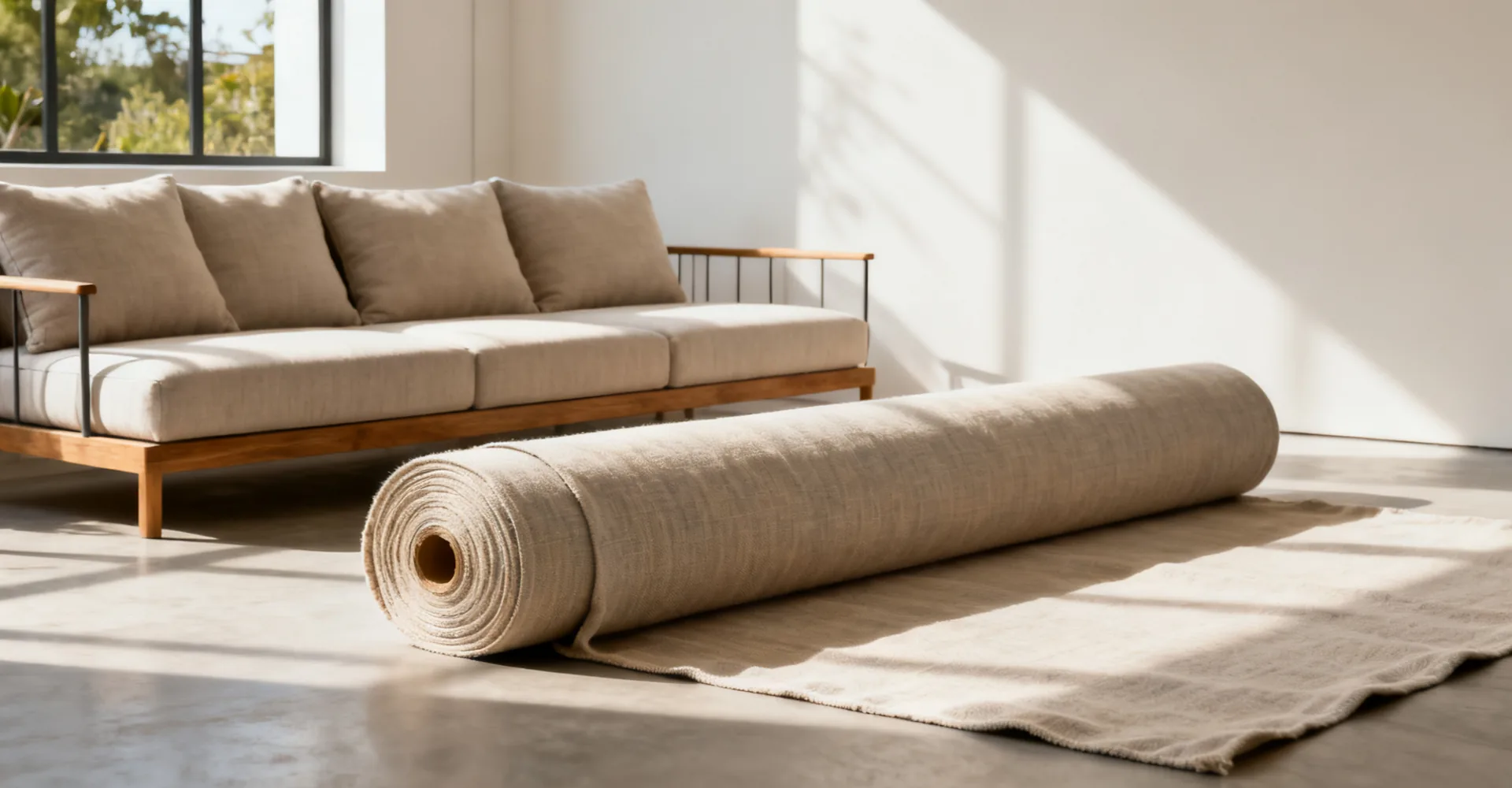
| Indoor seating | How often is the surface sat on, wiped, or brushed by clothing? | A physical handle sample plus any abrasion or pilling method that matches that contact |
| Outdoor cushions | Will the cushion stay outside, or come in when the season changes? | Separate notes for water on the face, drying time, and color review under daylight |
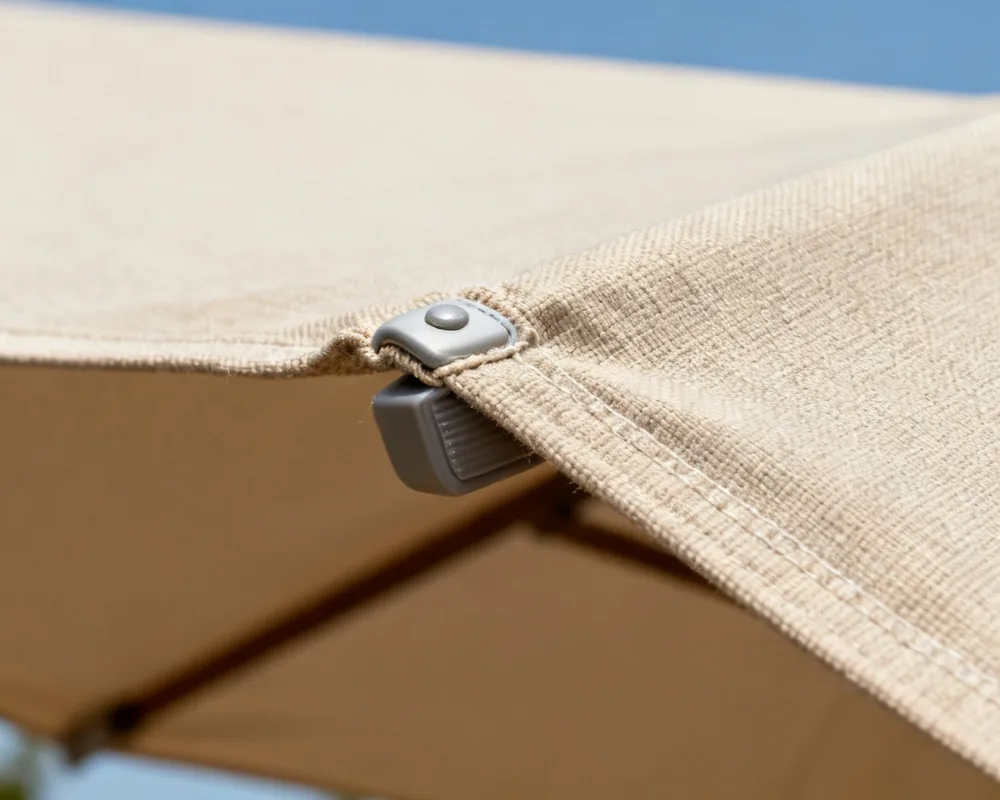
| Awnings and marine shade | How is the cloth tensioned, seamed and stored? | Usable width, edge behavior and a stated light or weather method if that property matters |
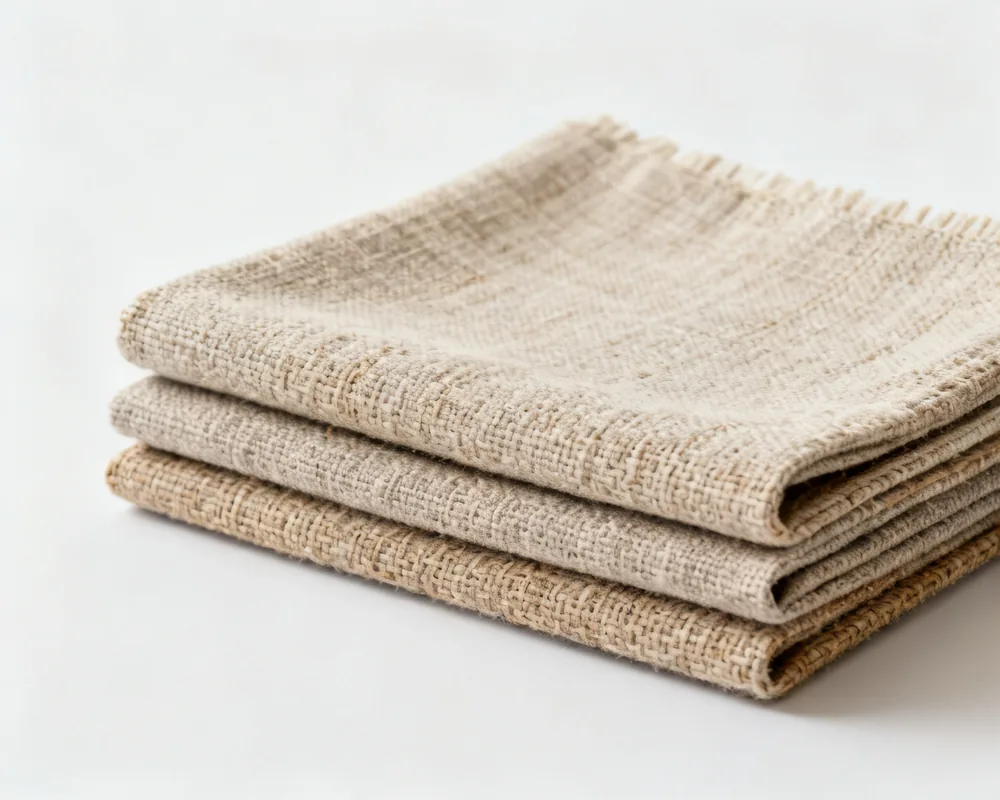
Two seating cloths can share a similar mass and still drape, pill or take a seam differently. Ask for the weave or knit, the finish, and the width you can actually cut.
Say whether the cutting is for a sofa, a loose outdoor cushion, an awning or a marine cover. Add the color reference, the construction you hope to keep, and the finish you hope to change.
Compare them when the method, the specimen condition and the covered product match. Water sitting on a shade cloth is not the same measurement as vapour moving through it.
Mark every figure as a buyer target until a cutting confirms it. A cushion layout might ask for a mass near 320 g/m² and a cuttable width near 140 cm, with fibre shares that sum to 100% by mass. Warp, weft and denier stay in separate notes, and denier is not a yarn count. The page does not state a founding year, headcount, output or certificate number, because those facts are not on file.
Composition · construction · GSM · usable width · finish